Memphis was ancient Egypt's capital, founded by Pharaoh Menes around 3100 BC, serving as a crucial political and religious center until its decline after the Roman era, with its
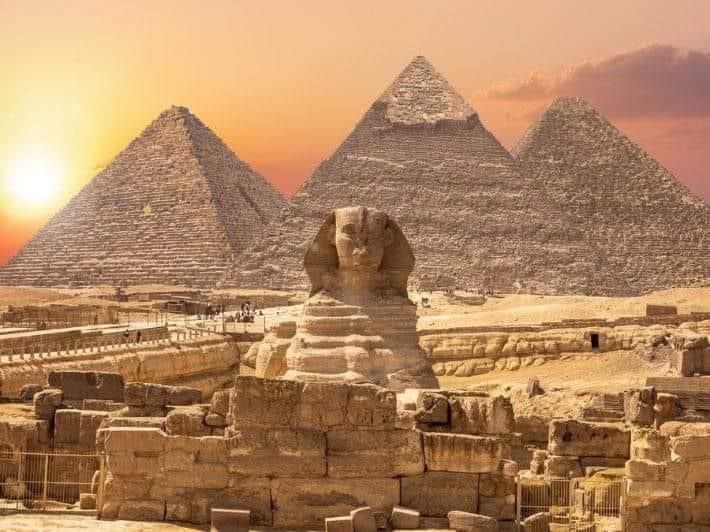
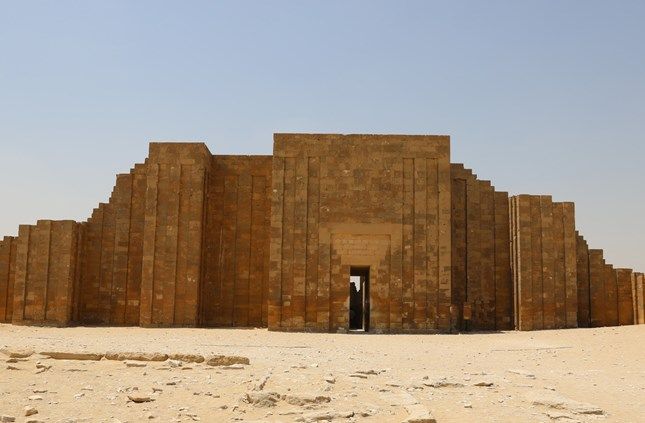
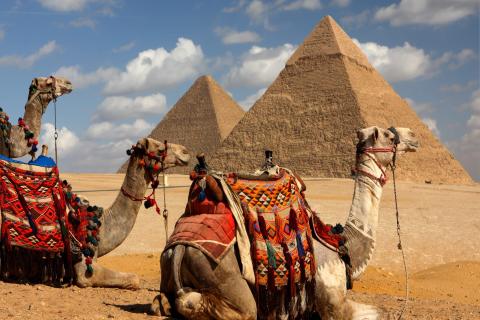
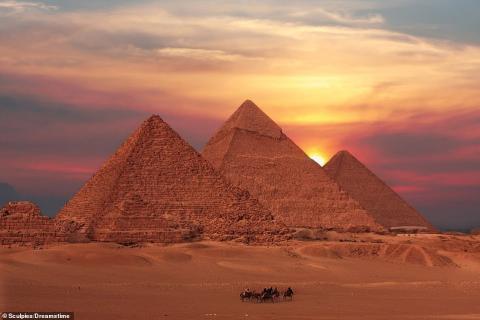
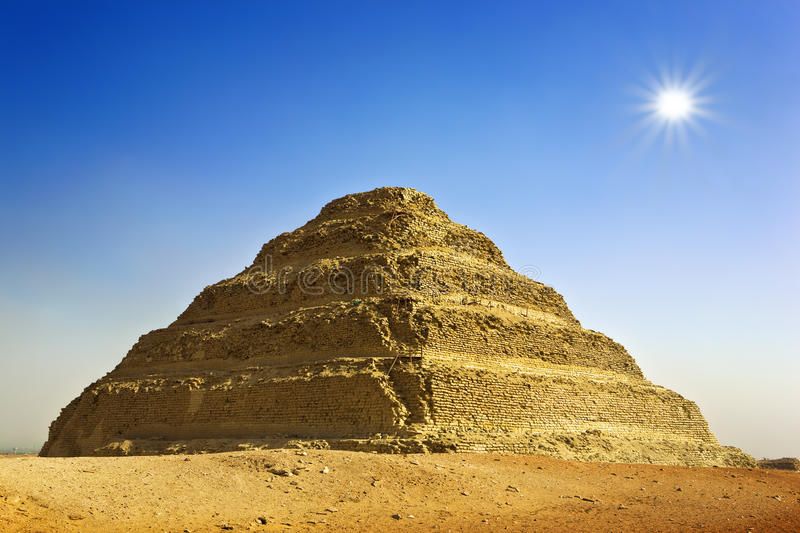
extensive ruins now located near modern Mit Rahina, just south of Cairo, featuring significant archaeological sites like the Giza Pyramids and Saqqara, all part of a UNESCO
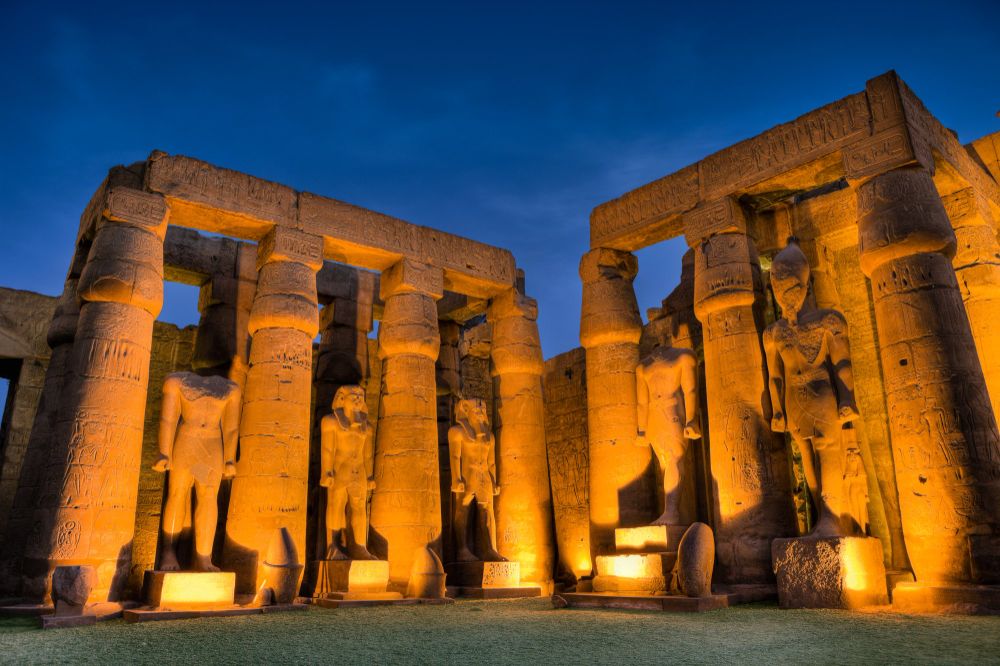
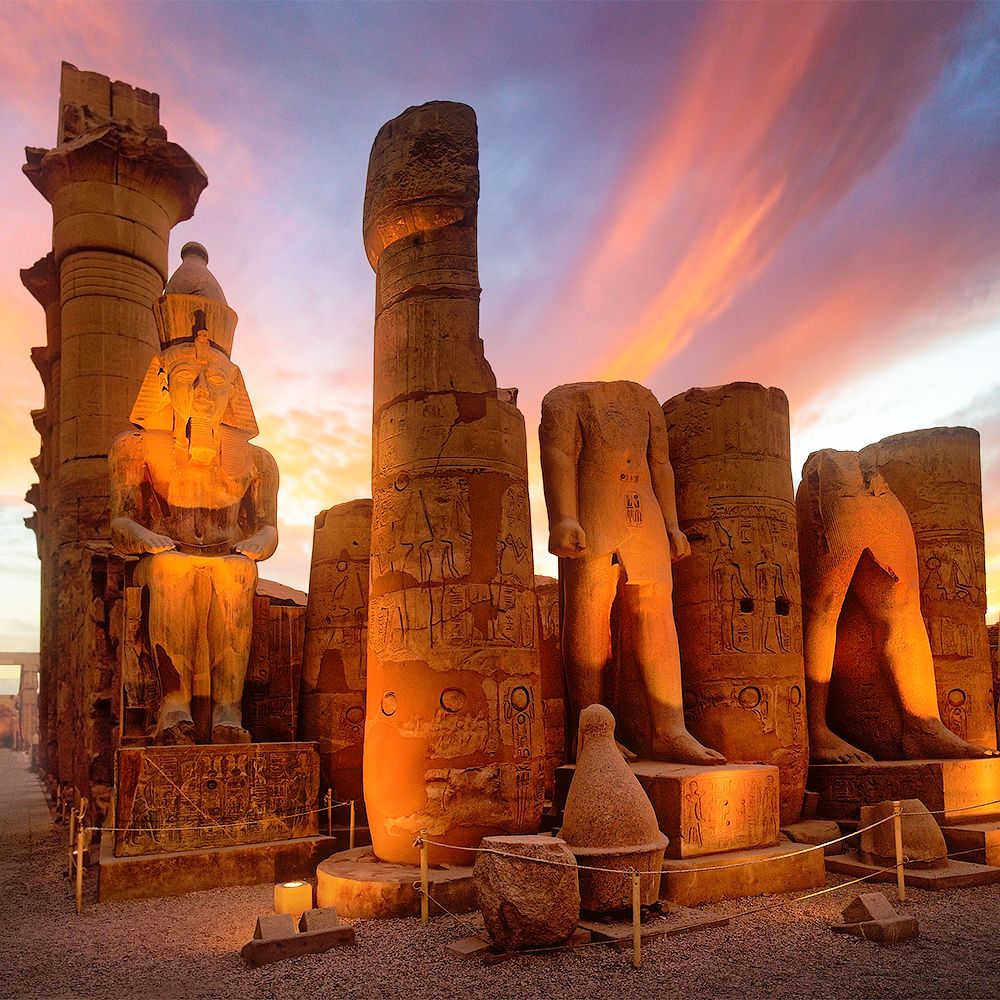
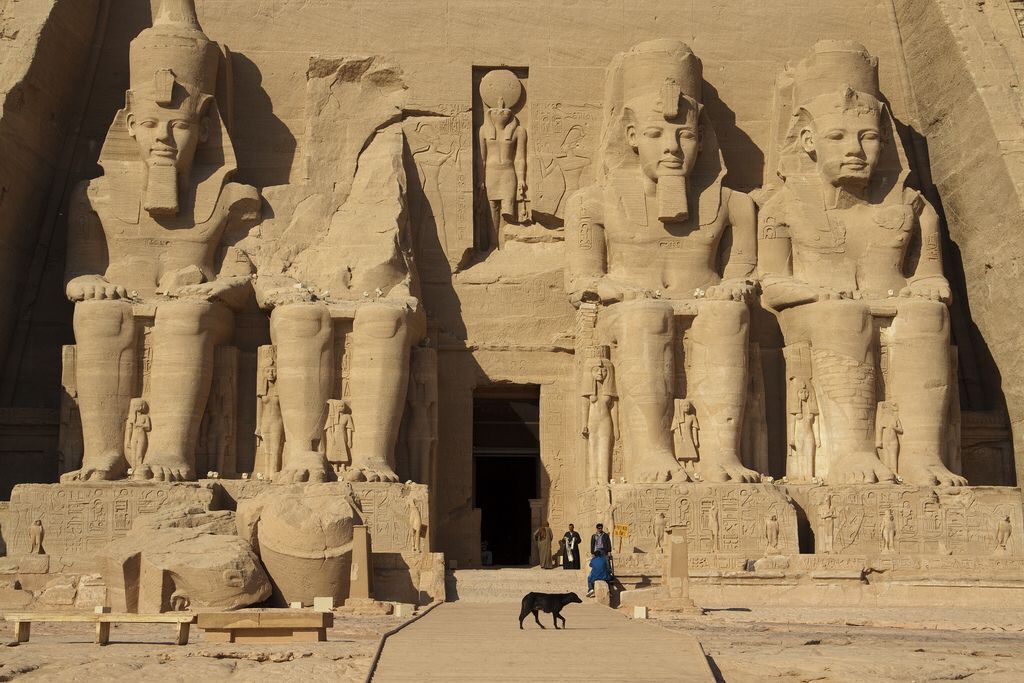
World Heritage Site. Key attractions include colossal statues of Ramesses II and an alabaster sphinx, showcasing its former glory as the city of the god Ptah.
Location: Near the modern village of Mit Rahina, about 20 km south of Cairo, Egypt, on the west bank of the Nile.
Founding: Established by Pharaoh Menes (Narmer) around 3100 BC, uniting Upper and Lower Egypt.
Significance: Served as the capital during the Early Dynastic Period and Old Kingdom, a major religious hub for the god Ptah, and remained important for millennia.
Names: Known as Ineb-hedj (White Walls), Men-nefer, Hut-ka-Ptah, and Ankh-tawy.
Decline: Suffered decay after the rise of Christianity and was largely abandoned after the Muslim conquest in 640 CE, with stones reused elsewhere.