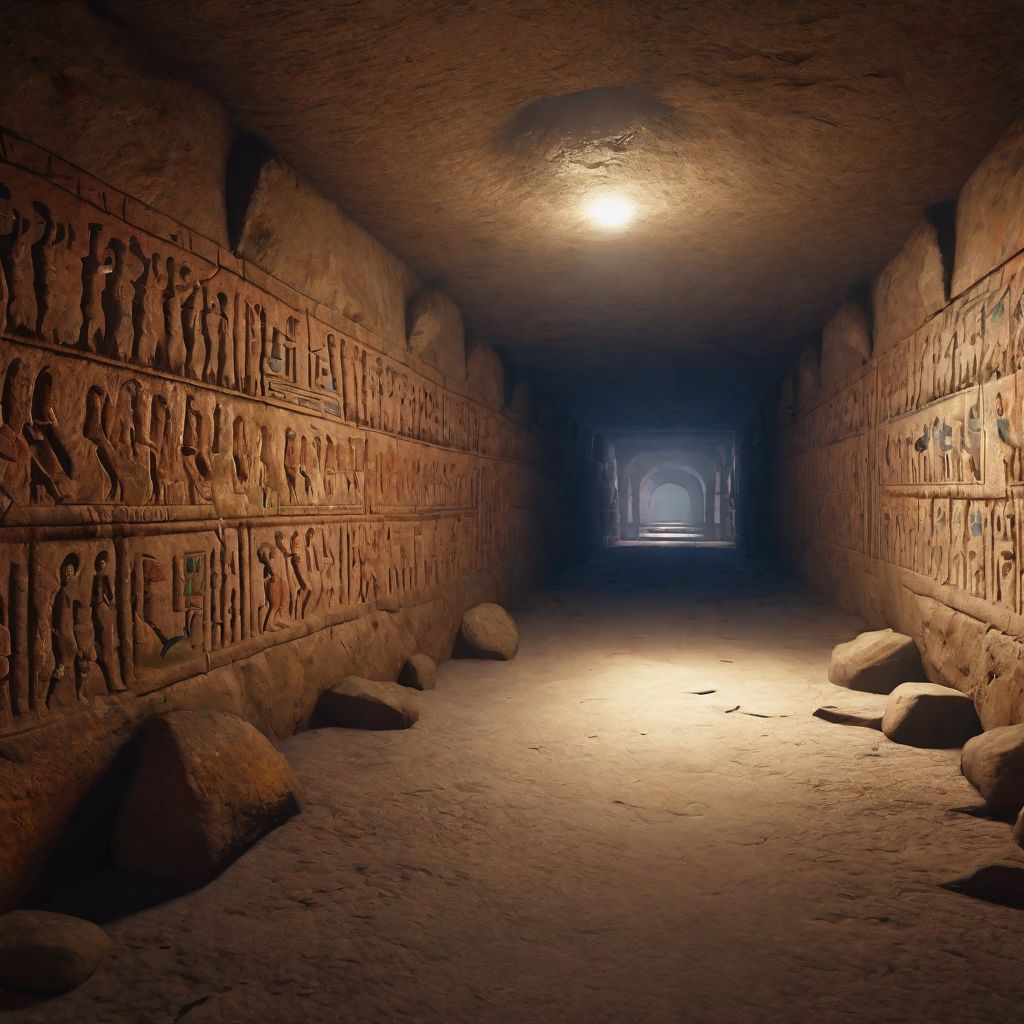
In 2020, a stunning archaeological discovery was made near Luxor in the form of a lost city that dates back over 3,000 years. The discovery, named the “Rise of Aten,” is
considered one of the most important archaeological findings in Egypt in recent years. This ancient city, which was founded during the reign of Amenhotep III, provides a rare
glimpse into the urban life of ancient Egyptians during the New Kingdom. The city, believed to have been used as a administrative and industrial hub, is remarkably well-
preserved. The excavation revealed several residential buildings, workshops, and even kitchens, allowing archaeologists to reconstruct the daily lives of the people who lived
there. Among the finds were tools, pottery, and personal objects, all of which were well-preserved in the city’s relatively untouched state. The city is thought to have been
abandoned after the reign of Amenhotep III and remained hidden under the sands for centuries. The most remarkable aspect of the find was the discovery of wall paintings
inside several buildings, some of which depict scenes of royal life and religious rituals. These murals are of immense historical value, providing insights into the artistic
practices and cultural beliefs of the time. The discovery of this ancient city sheds new light on the reign of Amenhotep III and offers valuable information about urban planning,
daily life, and the political landscape during one of Egypt's most prosperous periods. This find also contributes to the understanding of the Amarna Period that followed
Amenhotep III's reign, which was marked by the religious revolution brought on by his son Akhenaten.